
Introduction
Magnetization direction is crucial. Two magnets of the same size and grade will behave very differently depending on their polarity orientation. Engineers and designers must carefully select the correct magnetization to achieve desired performance. This is a guide to the magnetization directions for magnets of common shapes.
What Is Axial Magnetization?
Axial magnetization (also called “through-thickness” magnetization) is the most basic and common magnetization direction. The magnetic field runs in a straight line from one flat face of the magnet to the opposite face. After magnetization, one flat face becomes the North pole and the opposite face becomes the South pole.
Key Characteristics
- Simple, uniform magnetic field distribution
- Easy to manufacture and magnetize — lowest cost option
- Suitable for applications requiring straightforward north-south polarity
- Magnetic field is strongest at the two flat faces
What Is Radial Magnetization?
Radial magnetization means the magnetic field runs along the radius of the magnet — from the center outward (or inward). In a radially magnetized ring or cylinder, the inner surface and outer surface form opposite poles: one is North, the other is South. The magnetic field passes through the air gap between the ID and OD, making this direction ideal for radial-flux motors and generators.
Key Characteristics
- Magnetic flux flows radially through the air gap — maximizes utilization in cylindrical motor designs
- Arc magnets with radial magnetization naturally conform to the rotor curvature, reducing magnetic leakage
- Enables higher power density compared to axial magnetization in rotary motor applications
- Requires precise magnetization fixtures due to the curved geometry
Section 1: Disc Magnet
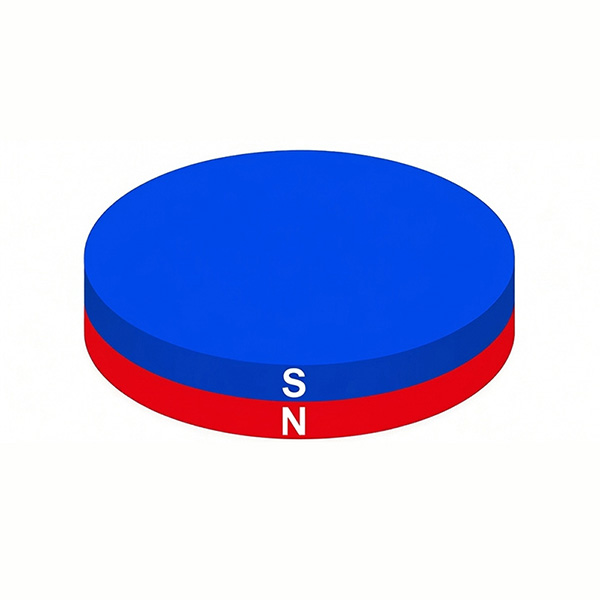
Axial magnetization
Application:
- Door/cabinet catches
- Window/door sealing strips
- Drawer/cabinet clasps
- Medical device fixtures
- Display/whiteboard strips
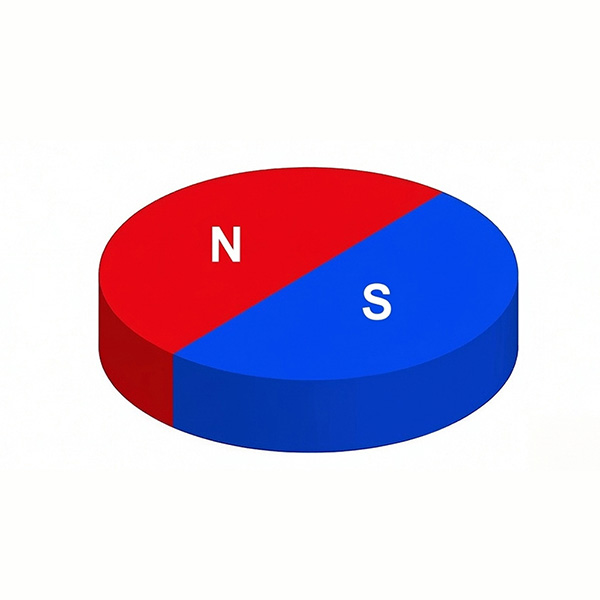
Diametric magnetization
Application:
- Drones, Cooling fans
- 3D printers, CNC machines
- Robot joints
- Smart water/Gas meters
- Chemical pumps, Vacuum equipment
Section 2: Block & Bar Magnet
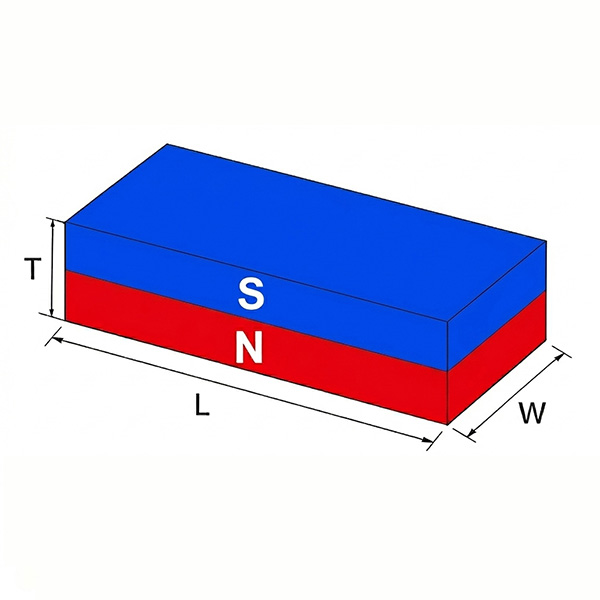
Magnetization through thickness
Application:
- Moving-coil speakers/audio
- DC brushed motors
- Industrial magnetic chucks
- Hall sensors/proximity switches
- Magnetic hooks/clasps
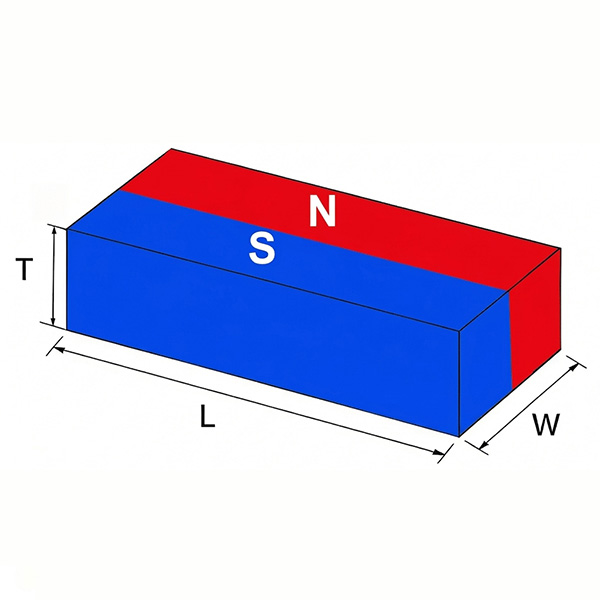
Magnetization through width
Application:
- Door/cabinet catches
- Window/door sealing strips
- Drawer/cabinet clasps
- Medical device fixtures
- Display/whiteboard strips
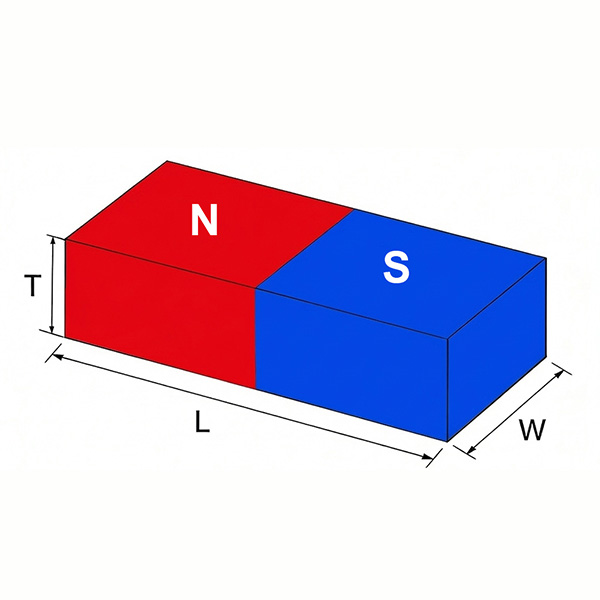
Magnetization through length
Application:
- Linear motor movers/stators
- Magnetic separators
- Linear guide rails
- Electromagnetic relays
- Small wind turbine magnets
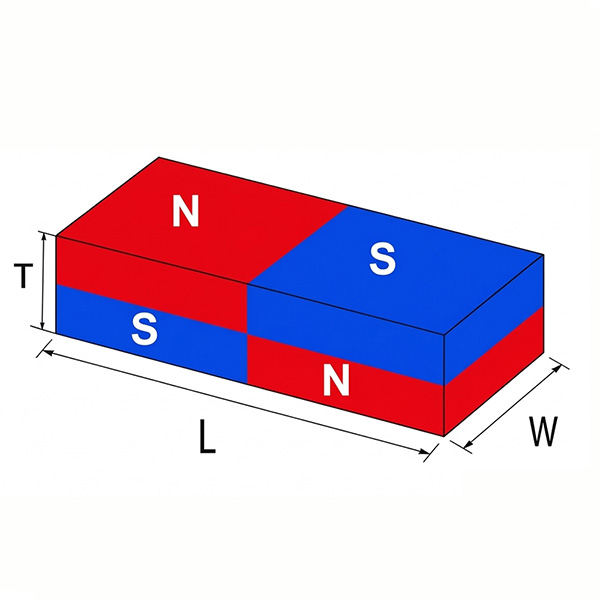
Planar two-poles magnetization
Application:
- Rotary magnetic encoders
- Research and educational purpose
- Precision stepper motors
- Smart water/gas meters
- Mini magnetic couplings/drives
Section 3: Arc & Wedge Magnet
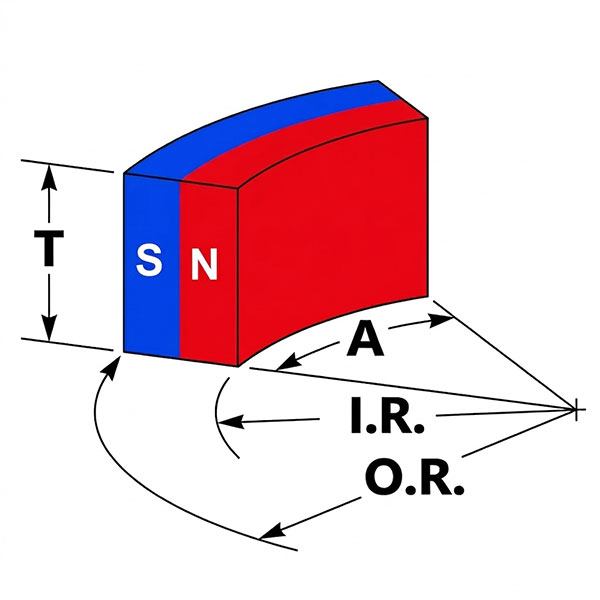
Radial magnetization (South on the Outside Face)
Application:
- General BLDC motor rotors
- E-bike hub motor rotors
- Home appliance motors
- Power tool motors
- Surface-mounted servo motor rotors
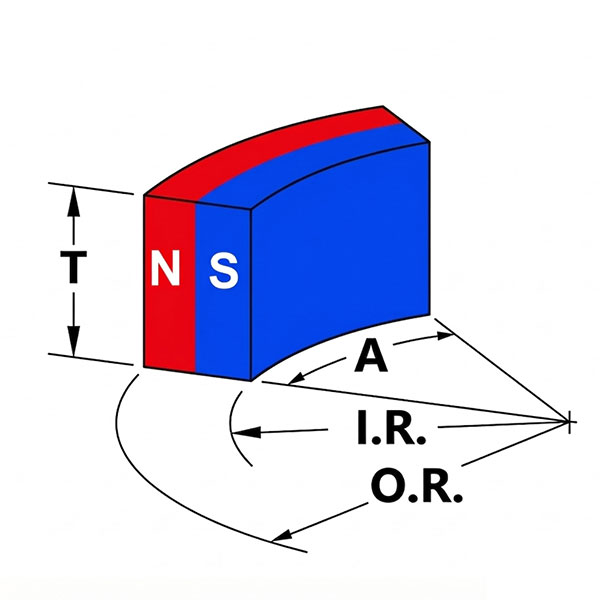
Radial magnetization (North on the Outside Face)
Application:
- Generator rotors/stators
- Outrunner BLDC motors
- Automotive starter motors
- Compressor motors
- Industrial fan motors
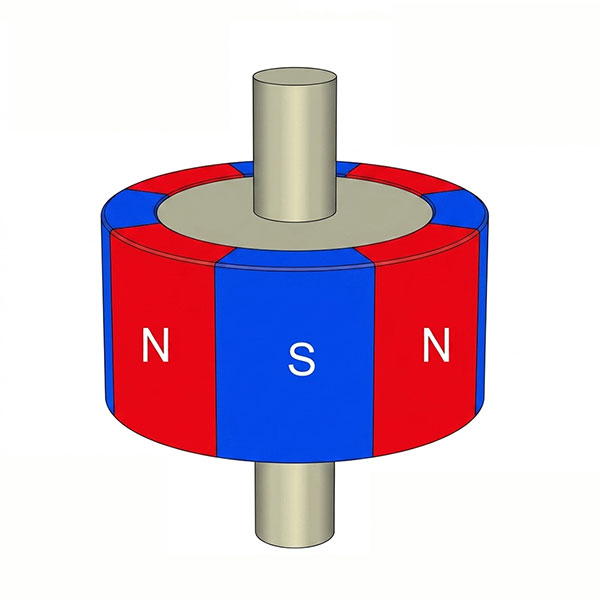
These magnets above are mainly used in the motor rotors . The N and S poles are arranged alternately(N-S-N-S…) . This purpose is to make the rotor interact with stator to convert electromagnetic energy into mechanical energy.
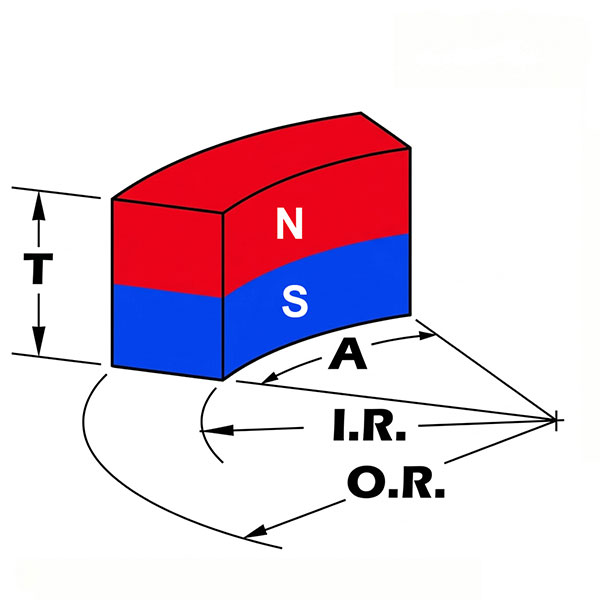
Magnetization through Thickness
Application:
- Axial flux (disc) motors
- Flat-type BLDC motors
- Drone gimbal motors
- Mini servo motors
- Automotive EPS steering motors
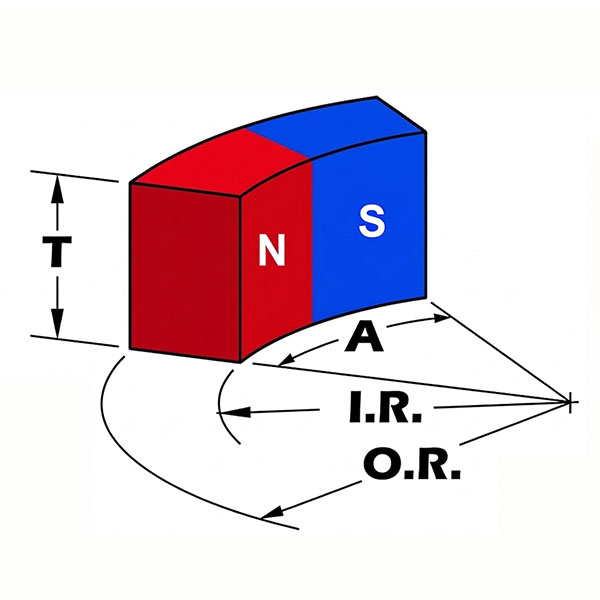
Magnetized through Circumstance
Application:
- Interior permanent magnet (IPM) motor rotors
- EV traction motors
- High-torque servo motors
- Industrial robot joint motors
- High-speed spindle motors
Section 4: Rod & Cylinder Magnet
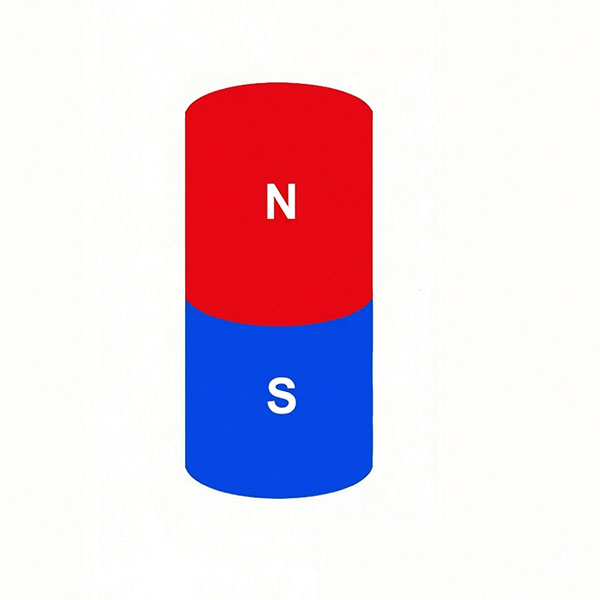
Axial magnetization
Application:
- Toothbrushes/Beauty devices
- Magnetic bars/lab stir bars
- Automotive ignition coil magnets
- Linear Hall/displacement sensors
- Magnetic pushrods/electromagnetic locks
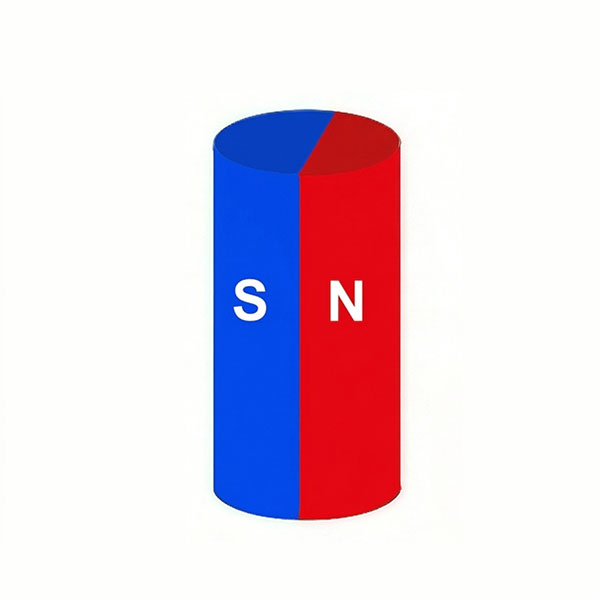
Diametric magnetization
Application:
- Micro BLDC motor rotors
- Rotary magnetic encoder magnets
- Smart water/gas meter flow sensors
- Small servo/stepper motor rotors
- Drone gimbal micro motors
Section 5: Ring Magnet
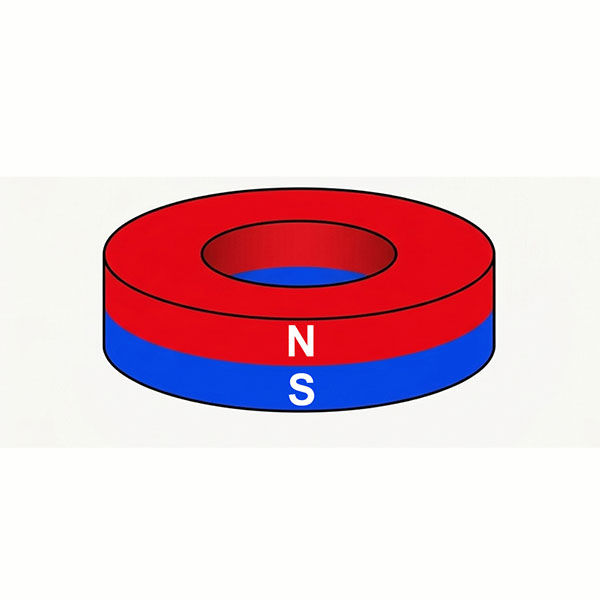
Axial magnetization
Application:
- Speakers / Horns
- Magnetic therapy devices
- Magnetic Levitation Systems
- Magnetic bases
- Magnetic tool holders
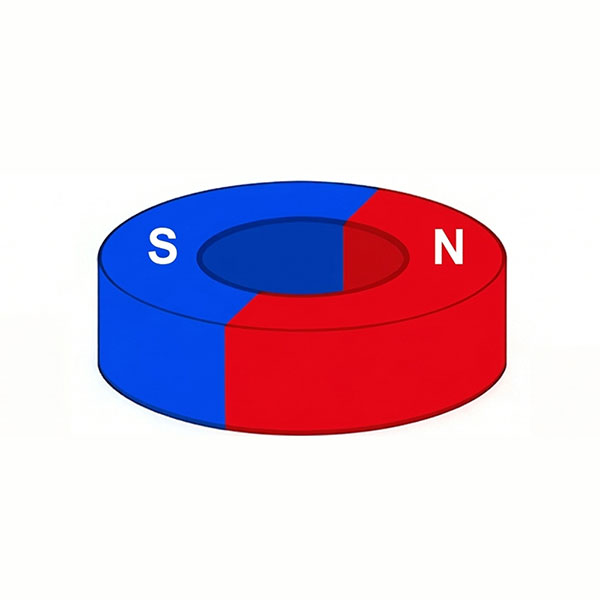
Diametric magnetization
Application:
- Washing Machine / Dishwasher Rotors
- Fan Motors & Robotic Joints
- Sealed pumps & Mixing Equipment
- Magnetic couplers
- Educational experiments