
Neodymium Magnets in Medical Devices A Growing Trend
In the world of medical devices, the use of magnets is becoming increasingly important. Of the various types of magnets available, NdFeB magnets are considered the strongest and most reliable. NdFeB magnets are made from a combination of neodymium, iron, and boron, which together produce a strong magnetic force.
Advantages of NdFeB Magnets
Neodymium magnets have several advantages over other types of magnets, including:
- High magnetic strength: Neodymium magnets are the strongest magnets available, with a magnetic strength of up to 52 M GOe. This makes them ideal for medical equipment that requires a powerful magnetic field, such as MRI machines.
- High coercivity: Neodymium magnets have high coercivity, meaning they retain their magnetic field strength over time. This makes them ideal for medical equipment that requires a consistent magnetic field, such as magnetic drug delivery systems.
- Small size: Neodymium magnets are small and compact, making them ideal for medical equipment that needs to be portable and lightweight, such as magnetic hyperthermia devices.
- Cost-effective: Compared to other types of magnets, neodymium magnets are cost-effective, making them a popular choice for medical equipment manufacturers.
Current Application Status of NdFeB Magnets in Medical Equipment
- Imaging Diagnosis:
- Magnetic particle imaging (MPI): Neodymium magnets are used in MPI for tumor labeling and early disease detection.
- MRI: Neodymium magnets play a crucial role in various components of MRI machines, including gradient coils, radiofrequency coils, shielding, and magnet assemblies. These magnets contribute to improved image resolution and enable more accurate diagnosis.

(2)Disease Treatment:
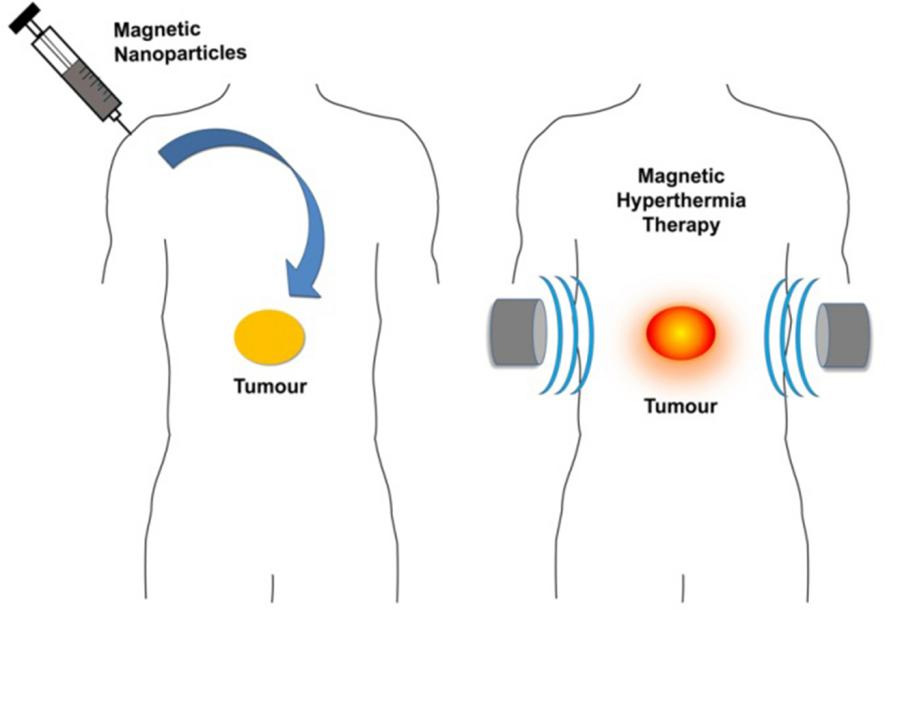
- Drug Delivery: Due to their high magnetic field strength and excellent magnetic stability, neodymium magnets are well-suited for magnetic drug delivery systems. Magnetic antiparticles can be used to carry drugs to specific locations in the body under the guidance of an external magnetic field, enabling targeted therapy, improving treatment efficacy, and reducing side effects.
- Tumor Treatment: Neodymium magnets are also used in the development of magnetic hyperthermia systems. These systems utilize magnetic fields to generate heat, which can destroy cancer cells. The high magnetic field strength of neodymium magnets allows for more precise and effective targeting of cancer cells, increasing the success rate of treatment.
- Neuromodulation: Deep brain stimulation and magnetic stimulation.
(3)Rehabilitation :
- Magnetic field therapy :To help heal and regenerate tissues.
- Exoskeleton Robot:To assist patients in recovery
In addition to their use in medical equipment and systems,NdFeB magnets are used to create magnetic sensors for medical purposes. These sensors can detect changes in magnetic fields, giving us valuable insights into our health.
Challenges of Neodymium Iron Boron Magnets in Medical Device Design
- Miniaturization and Microminiaturization: The demand for minimally invasive surgeries and implantable medical devices has placed stringent requirements on the size of magnets.
- Biocompatibility: Magnetic materials must exhibit excellent biocompatibility to avoid rejection by the human body.
- Magnetic Field Strength and Uniformity: Higher requirements are placed on magnetic field strength and uniformity to improve therapeutic efficacy and diagnostic accuracy.
- Multifunctionality: Magnets are required to have more functions, combined with other materials and technologies to endow magnets with additional functionalities such as temperature responsiveness and pH responsiveness.
Future Outlook: The Potential of NdFeB Magnets in Medical Devices
With the continuous advancement of medical technology, the applications of NdFeB magnets have expanded significantly, demonstrating immense potential in the medical field.
- Precision medicine: Combining magnetic nanotechnology with biotechnology to achieve personalized precision treatment.
- Smart medical devices: Integrating magnetic materials with artificial intelligence, the Internet of Things, and other technologies to develop intelligent medical devices.
- Novel therapeutic methods: Exploring new applications of magnetic fields in treating various diseases, such as magnetic regulation of the immune system.
In summary,NdFeB magnets are crucial to medical equipment due to their high magnetic strength, resistance to demagnetization, small size, and cost-effectiveness. They are widely used in medical devices such as MRI machines, magnetic drug delivery systems, magnetic hyperthermia devices, and magnetic levitation devices. As medical technology continues to advance, the use of NdFeB magnets is likely to become even more widespread in the medical field.